Within Congo Mysteries
The Strange Creatures Behind Congo's Folklore
Stories of unusual beings in Congo reflect folklore, environmental knowledge and cultural traditions as well as questions about unknown animals.
On this page
- Animals, spirits and traditional stories
- How outsiders interpreted local accounts
- Folklore beyond the search for monsters
Page outline Jump by section
Introduction
Stories of strange creatures in the Congo are not only tales of possible unknown animals. They are also records of how communities understand forests, rivers, danger, memory and the boundaries between the human world and the wider natural world. The best-known example is Mokele-mbembe, the mysterious river creature later promoted internationally as a “living dinosaur”, but Congo’s creature traditions include a wider range of beings connected with local knowledge and storytelling.[Wikipedia]WikipediaOpen source on wikipedia.org.
The evidence for Congo cryptids is uneven. There are no confirmed specimens of legendary animals such as Mokele-mbembe or emela-ntouka, and many modern interpretations come through explorers, journalists and cryptozoologists rather than through detailed studies of local traditions. Yet these stories remain culturally important because they preserve ideas about powerful places, unusual animals and the risks of entering unfamiliar landscapes.[National Geographic]nationalgeographic.comNational GeographicWhat’s behind the strange rash of ’dinosaur’ sightings in the Congo? | National GeographicFebruary 4, 2025…
Animals, spirits and traditional stories
Congo’s creature traditions often sit between categories that modern audiences separate: animal, monster, spirit and symbol. A being described in a story may represent a dangerous animal encounter, a warning about a particular place, a memory of past events, or a way of explaining the unseen forces believed to shape everyday life. This makes “cryptid” an imperfect label when applied to older traditions, because it suggests a search for an unknown biological species, while many traditional stories have wider meanings.[Afrodeities]afrodeities.orgNkisi, Kalunga and Bakongo MythologyOral Traditions: Mythologies are passed down through vibrant oral traditions, using symbol…
Mokele-mbembe: from river guardian to “living dinosaur”
Mokele-mbembe is the creature most associated with Congo’s mystery-animal reputation. Reports describe a large being connected with rivers and swamps, often said to have a long neck, heavy body and an ability to block waterways. The name is commonly translated as something like “one who stops the flow of rivers”, reflecting its association with powerful river spaces.[National Geographic]nationalgeographic.comNational GeographicWhat’s behind the strange rash of ’dinosaur’ sightings in the Congo? | National GeographicFebruary 4, 2025…
The modern image of Mokele-mbembe as a surviving sauropod dinosaur, however, was shaped heavily by outsiders. Early twentieth-century writers and later cryptozoologists connected African reports with the popular fascination for dinosaurs and “lost worlds”. Expeditions in the twentieth century searched for physical evidence, including the well-known investigations by Roy Mackal and others, but no specimen, remains or scientifically verified photographs were produced.[Wikipedia]WikipediaOpen source on wikipedia.org.
This distinction matters. A river creature in local storytelling does not automatically equal a hidden dinosaur in the scientific sense. Some interpretations treat Mokele-mbembe as folklore, while others view the accounts as possible memories of real animals, including large mammals seen in difficult rainforest conditions. The enduring mystery comes from the gap between a meaningful cultural story and an unconfirmed zoological claim.[National Geographic]nationalgeographic.comNational GeographicWhat’s behind the strange rash of ’dinosaur’ sightings in the Congo? | National GeographicFebruary 4, 2025…
Other creature traditions beyond the famous monster
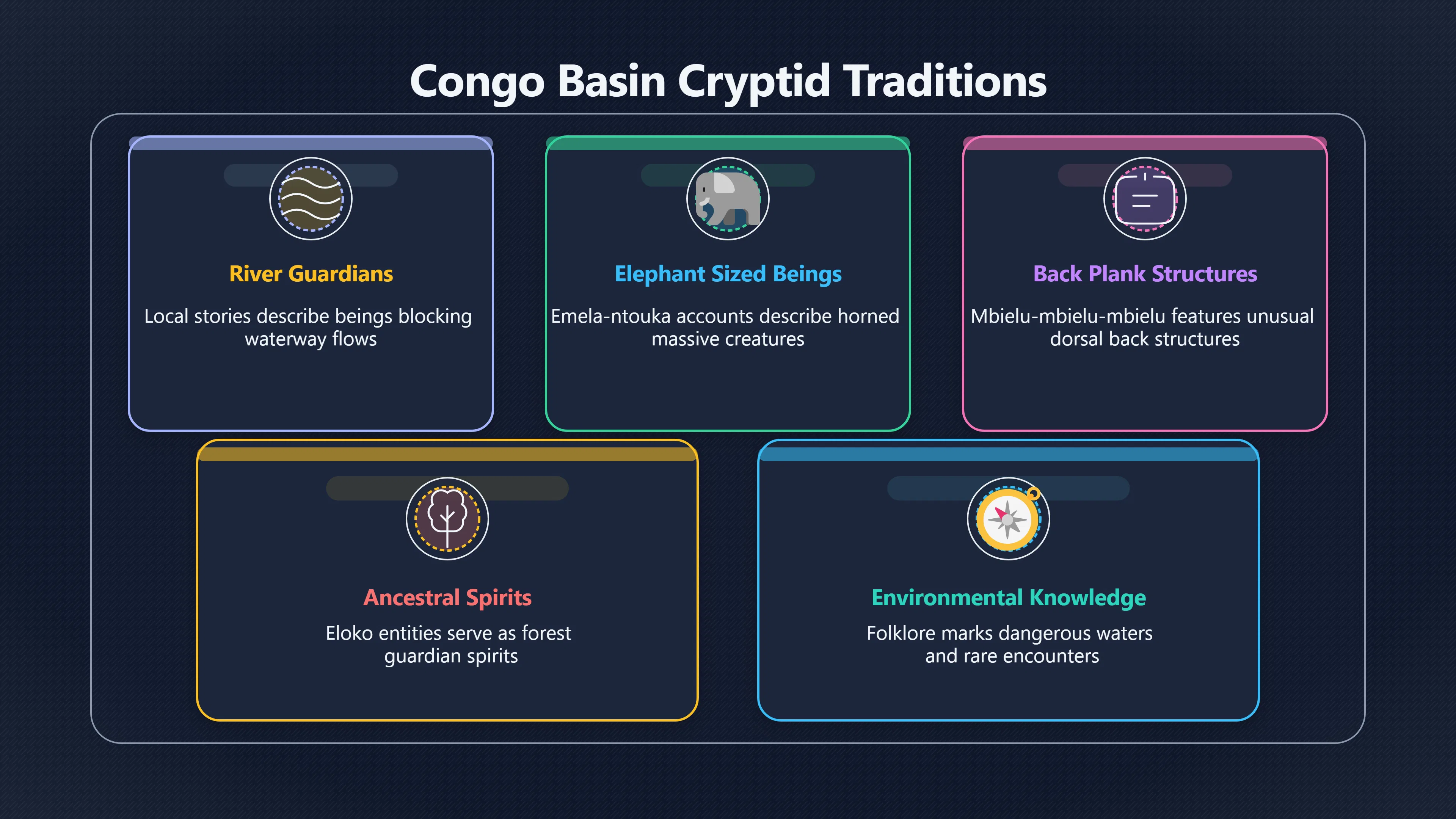
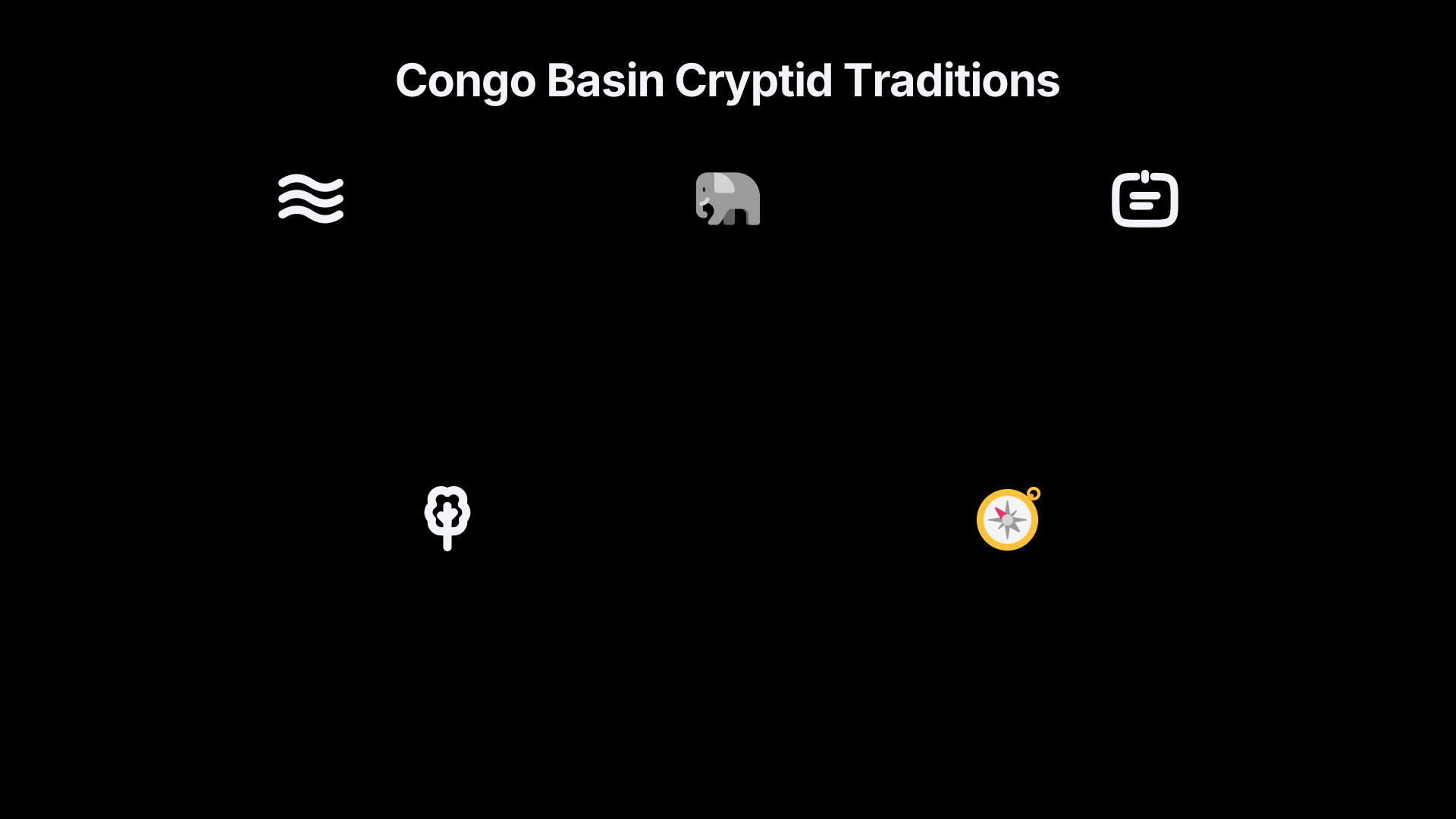
The international focus on Mokele-mbembe has sometimes overshadowed other Congo creature stories. One example is emela-ntouka, described in cryptozoological literature as an elephant-sized creature with a horn and a reputation as a dangerous animal. Accounts vary widely, and there is no physical evidence confirming its existence. Some researchers and writers have suggested that such stories may preserve impressions of known animals, unusual encounters or symbolic ideas about powerful wildlife.[Wikipedia]WikipediaOpen source on wikipedia.org.
There are also reports of creatures such as mbielu-mbielu-mbielu, described in some accounts as an animal with unusual structures on its back. Like many cryptid traditions, these descriptions come through limited records and later retellings, making it difficult to separate original local meanings from interpretations added by outside investigators.[A Book of Creatures]abookofcreatures.commokele mbembeA Book of CreaturesMokele-mbembeApr 10, 2020 — The Mbielu-mbielu-mbielu, or “animal with planks growing out of its back”, is restricted t…
How outsiders interpreted local accounts
The global story of Congo cryptids was shaped as much by outsiders as by the original traditions. European explorers, newspaper writers and later monster hunters often entered the region with expectations of discovering something extraordinary. The idea of Africa as an unexplored “lost world” became a powerful cultural theme, especially during periods when dinosaurs and prehistoric survival stories were popular in Western media.[Wikipedia]WikipediaOpen source on wikipedia.org.
This created a translation problem. A story about a remarkable being connected to a river, forest or community history could be transformed into a question about whether a scientifically unknown animal existed. In the case of Mokele-mbembe, later audiences often focused on the dinosaur comparison, even though descriptions and interpretations have never been consistent enough to establish a clear biological identity.[Wikipedia]WikipediaOpen source on wikipedia.org.
Cryptozoological expeditions also influenced how the stories were remembered. Researchers searching for unknown animals often collected testimony through the framework of finding a new species, which could encourage attention towards details that supported a monster narrative while overlooking other cultural meanings. The result was a worldwide mystery story that sometimes became detached from the communities and landscapes that produced it.[The University of Chicago Magazine]mag.uchicago.eduThe University of Chicago MagazineRoy Mackal's wild speculationThe locals refer to these dinosaurs as mokele-mbembe, real-life legendary…
Folklore beyond the search for monsters
The most valuable way to understand Congo’s cryptid traditions is not only to ask whether the creatures exist, but to ask what role the stories play. In many societies, unusual animal stories can carry environmental knowledge: they mark dangerous waters, memorable places, rare encounters and relationships between people and wildlife. Folklore can preserve observations without functioning as a scientific field guide.[arXiv]arxiv.orgSystematic quantitative analyses reveal the folk-zoological knowledge embedded in folktalesJuly 9, 2019…
For communities living close to forests and rivers, a strange creature story may express respect for landscapes that are difficult to control. A powerful being associated with a lake, swamp or river can represent the idea that nature contains forces beyond ordinary human experience. In this sense, the “monster” may be less important as a hidden animal and more important as a cultural reminder of caution and respect.[National Geographic]nationalgeographic.comNational GeographicWhat’s behind the strange rash of ’dinosaur’ sightings in the Congo? | National GeographicFebruary 4, 2025…
Modern conservation discussions have also given these stories new relevance. Reports of Mokele-mbembe continue alongside concerns about habitat change, forest loss and increasing contact between humans and wildlife. Rather than proving the existence of unknown creatures, such stories show how people interpret changing environments through familiar narratives.[National Geographic]nationalgeographic.comNational GeographicWhat’s behind the strange rash of ’dinosaur’ sightings in the Congo? | National GeographicFebruary 4, 2025…
Congo’s strange creature traditions therefore belong to two worlds at once. They are part of the history of monster hunting and unexplained animal reports, but they are also part of a deeper tradition of storytelling about place, survival and the relationship between humans and the natural world. The mystery remains interesting not because every creature must be real, but because the stories reveal how people make meaning from the unknown.
Amazon book picks
Further Reading
Books and field guides related to The Strange Creatures Behind Congo's Folklore. Use these as the next step if you want deeper reading beyond the article.
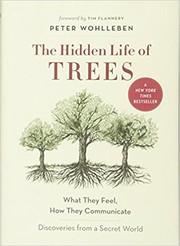
The Hidden Life of Trees
Connects readers with forests and ecosystems central to Congo folklore settings.
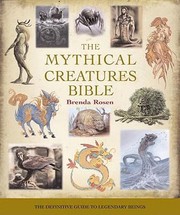
The Mythical Creatures Bible The Definitive Guide To Legendar...
First published 2009. Subjects: Animals, mythical.
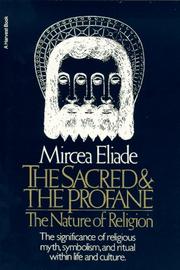
The Sacred and The Profane
Helps frame spirits, places and meanings behind traditional stories.
On the Track of Unknown Animals
Directly connects to searches for legendary animals such as Mokele-mbembe.
eBay marketplace picks
Marketplace Samples
Live-tested eBay searches with available results related to this page.

Endnotes
1.
Source: Wikipedia
Link:https://en.wikipedia.org/wiki/Mokele-mbembe
2.
Source: Wikipedia
Link:https://en.wikipedia.org/wiki/Emela-ntouka
3.
Source: afrodeities.org
Link:https://www.afrodeities.org/ancient-bakongo-and-congo-mythology
Source snippet
Nkisi, Kalunga and Bakongo MythologyOral Traditions: Mythologies are passed down through vibrant oral traditions, using symbol...
4.
Source: arxiv.org
Link:https://arxiv.org/abs/1907.03969
Source snippet
Systematic quantitative analyses reveal the folk-zoological knowledge embedded in folktalesJuly 9, 2019...
Published: July 9, 2019
5.
Source: folklore.earth
Link:https://www.folklore.earth/culture/mbuti/
Source snippet
Known as Pygmies, the Mbuti are closely tied to their forest...
6.
Source: nationalgeographic.com
Link:https://www.nationalgeographic.com/environment/article/congo-basin-mokele-mbembe-deforestation
Source snippet
National GeographicWhat’s behind the strange rash of ’dinosaur’ sightings in the Congo? | National GeographicFebruary 4, 2025...
Published: February 4, 2025
7.
Source: mag.uchicago.edu
Link:https://mag.uchicago.edu/science-medicine/roy-mackals-wild-speculation
Source snippet
The University of Chicago MagazineRoy Mackal's wild speculationThe locals refer to these dinosaurs as mokele-mbembe, real-life legendary...
8.
Source: abookofcreatures.com
Title: mokele mbembe
Link:https://abookofcreatures.com/2020/04/10/mokele-mbembe/
Source snippet
A Book of CreaturesMokele-mbembeApr 10, 2020 — The Mbielu-mbielu-mbielu, or “animal with planks growing out of its back”, is restricted t...
9.
Source: nationalgeographic.com
Title: The Science Behind Bigfoot and Other Monsters | National Geographic
Link:https://www.nationalgeographic.com/adventure/article/130907-cryptid-crytozoology-bigfoot-loch-yeti-monster-abominable-science
Source snippet
Photographer Roger Patterson compares his foot with cast in Los Angeles on Nov. 3, 1967 he says he made of California's Legendary "Bigfoot...
10.
Source: el-bestiario.fandom.com
Title: Emela Ntouka
Link:https://el-bestiario.fandom.com/es/wiki/Emela_Ntouka
Source snippet
Ntouka | Wiki El Bestiario | FandomEMELA NTOUKA Iniciar sesión para guardar Guardar Editar * Historial * Purgar página * Comentarios (0)...
11.
Source: allspecies.fandom.com
Title: Emela ntouka
Link:https://allspecies.fandom.com/wiki/Emela_ntouka
Source snippet
ntouka | All Species Wiki | FandomEMELA NTOUKA Sign In to Save Save Edit * History * Purge * Talk (0) iframe The emela-ntouka (Bomitaba o...
12.
Source: monstropedia.org
Title: Copyright: Michel Ballot
Link:https://www.monstropedia.org/index.php/Emela-ntouka
Source snippet
Emela-ntouka - MonstropediaEMELA-NTOUKA From Monstropedia The Emela-ntouka is an African legendary creature in the mythology of the Pygmy...
13.
Source: monstropedia.org
Link:https://www.monstropedia.org/index.php/Mokele-mbembe
Source snippet
It is analogous to the Loch Ness Monster in Western cultur...
14.
Source: oriire.com
Link:https://oriire.com/codex/mokele-mbembe
Source snippet
Mokele-Mbembe | Mythology, folklore and cultural memoryA legendary creature said to dwell in the rivers and swamps of the Congo Basin. Of...
Additional References
15.
Source: researchgate.net
Link:https://www.researchgate.net/publication/347969086_Bili-Uere_A_chimpanzee_behavioural_realm_in_northern_Democratic_Republic_Congo_By_Thurston_C_Hicks_Hjalmar_S_Kuehl_Christophe_Boesch_Paula_Dieguez_Ayuk_Emmanuel_Ayimisin_Rumen_Martin_Fernandez_Donatie
Source snippet
Hicks, Hjalmar S. Küehl, Christophe Boesch, Paula Dieguez, Ayuk Emmanuel Ayimisin, Rumen Martin Fernandez, Donatienne Barubiyo Zungawa, M...
16.
Source: researchgate.net
Link:https://www.researchgate.net/publication/381376145_Evaluation_and_Identification_of_J%27BaFofi_the_Giant_Spider_of_Congo_and_Mokele-Mbembe_in_Congo_Rain_Forest
Source snippet
My research seeks to critically analyze the available evidence for the existence of the J'BaFofi, by employing a multidisciplinary approa...
17.
Source: researchgate.net
Link:https://www.researchgate.net/publication/251678536_Lac_Tele_structure_Republic_of_Congo_Geological_setting_of_a_cryptozoological_and_biodiversity_hotspot_and_evidence_against_an_impact_origin
Source snippet
mpact originArticle PDF Available LAC TÉLÉ STRUCTURE, REPUBLIC OF CONGO: GEOLOGICAL SETTING OF A CRYPTOZOOLOGICAL AND BIODIVERSITY HOTSPO...
18.
Source: researchgate.net
Link:https://www.researchgate.net/publication/260146795_Mokele-mbembe_A_cryptozoological_animal_of_centre_African_prefecture_Veracity_or_Hoax
Source snippet
Mokele-mbembe”: A cryptozoological animal of centre African prefecture: Veracity or Hoax | Request PDFJanuary 1, 2010 — MOKELE-MBEMBE”: A...
Published: January 1, 2010
19.
Source: sciencedirect.com
Link:https://www.sciencedirect.com/science/article/abs/pii/S1464343X10001767
Source snippet
origin - ScienceDirectNovember 1, 2010 — JOURNAL OF AFRICAN EARTH SCIENCES Volume 58, Issue 4, November 2010, Pages 667-679 LAC TÉLÉ STRU...
Published: November 1, 2010
20.
Source: ebsco.com
Link:https://www.ebsco.com/research-starters/science/mokele-mbembe-cryptozoology
Source snippet
Mokele-Mbembe (cryptozoology) | ScienceMokele-Mbembe is a legendary creature purported to inhabit the unexplored regions of the Congo Riv...
21.
Source: tvi.show
Link:https://www.tvi.show/legends-lore/the-mokele-mbembe-congos-living-dinosaur-and-the-mystery-of-africas-elusive-legend
Source snippet
Mokele-Mbembe: Congo’s Legendary Dinosaur-Like Creature of the Congo River BasinTHE MOKELE-MBEMBE: CONGO’S LIVING DINOSAUR AND THE MYSTER...
22.
Source: tvi.show
Link:https://www.tvi.show/legend-hunters/the-mokele-mbembe
Source snippet
Mokele-Mbembe: Exploring Africa’s Legendary “Living Dinosaur” in the Congo SwampsTHE MOKELE-MBEMBE 7 May Written By Guest User CRYPTOZOOL...
23.
Source: mythlok.com
Link:https://mythlok.com/world-mythologies/african/central-african-mythology/ngombe/
Source snippet
Ngombe Mythology: River Spirits and Guardians of Central Africa | MythlokNGOMBE MYTHOLOGY Ngombe mythology forms an essential part of the...
24.
Source: reddit.com
Link:https://www.reddit.com/r/Cryptozoology/comments/1f9xtqz/of_all_the_cryptid_animals_out_there_the_mokele/
Source snippet
Of all the cryptid animals out there, the Mokele Mbembe...TIL of Mokele-mbembe, a legendary water-dwelling creature of Congo River basin...
Topic Tree