What Makes Sierra Leone's Weird History So Strange?
Sierra Leone’s strongest “weird history” is not a tidy catalogue of flying saucers and lake monsters. It is stranger, and more culturally revealing, than that.
Page outline Jump by section
The stone figures that became “found spirits”
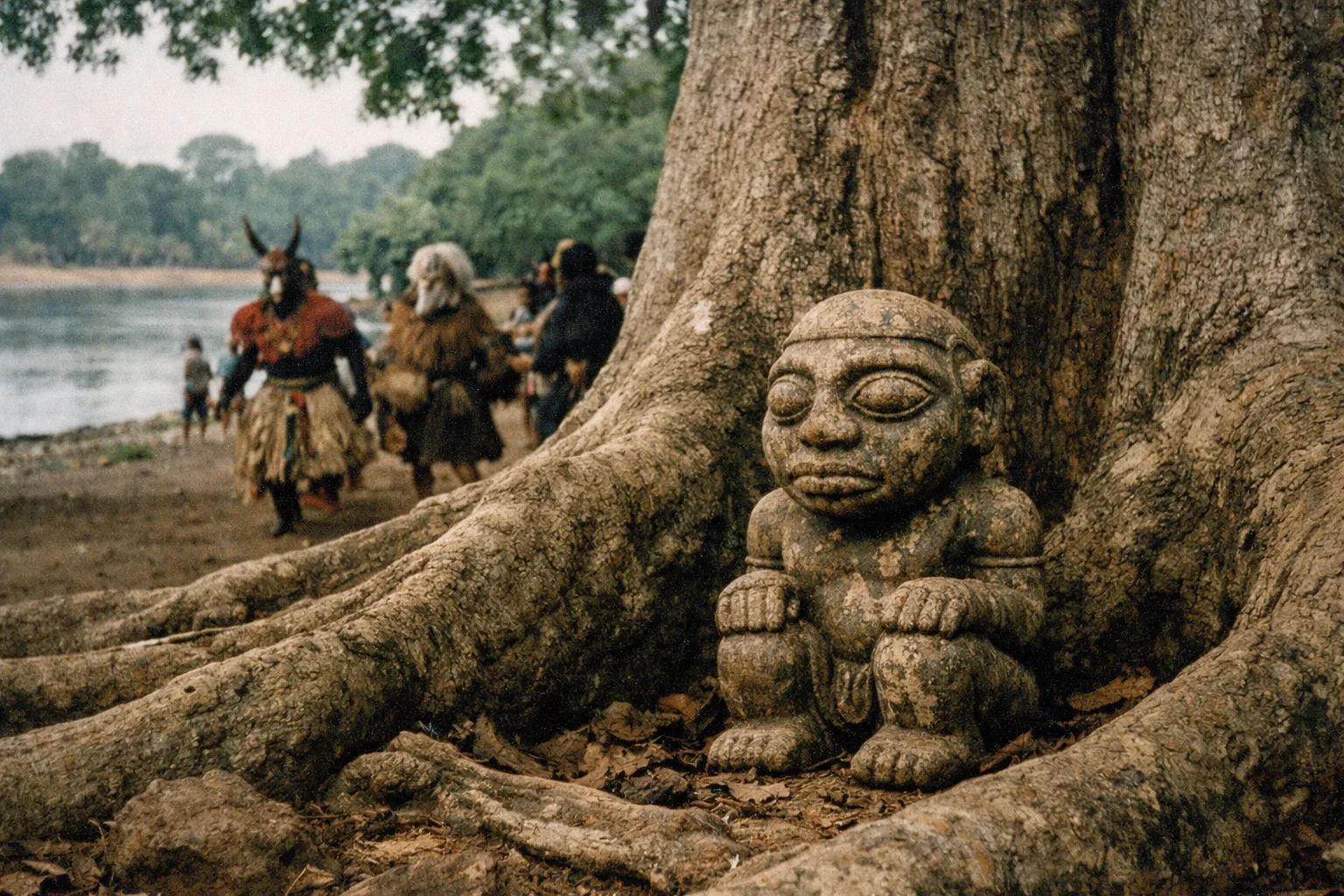
The most substantial Sierra Leonean Fortean case is the nomoli tradition: small carved stone figures found in fields, mounds, caves and swampy ground, especially in the Upper Guinea region of Sierra Leone and neighbouring Liberia. The Metropolitan Museum of Art describes these figures as sculptures unearthed centuries after their creation, often by chance through farming or mining, and known in Mende as nomoli, or “found spirits”; related Kissi figures are called pomdo, “the deceased”. Their appearance is distinctive: large heads, strong facial features and carved adornment, with an original function that remains debated but is often interpreted as ancestral memorial or elite representation.[The Metropolitan Museum of Art]metmuseum.orgThe Metropolitan Museum of Art Nomoli and Pomdo Stone Figures of Upper GuineaThe Metropolitan Museum of Art Nomoli and Pomdo Stone Figures of Upper Guinea
That is already odd enough without adding aliens. Objects with lost makers and uncertain dates naturally attract stories. Sierra Leone Heritage notes that nomoli are carved from steatite, or soapstone, and that their age is “relatively unknown”, though there is evidence they predate Portuguese encounters with coastal Sierra Leone in the fifteenth and sixteenth centuries. The same museum entry says they may originally have represented chiefs or group leaders, but were later rediscovered and used as “rice gods” to encourage good harvests.[sierraleoneheritage.org]sierraleoneheritage.orgSierra Leone Heritage NomoliSierra Leone Heritage Nomoli
The British Museum gives a more art-historical explanation: some nomoli were being carved by about the sixteenth century, inferred from stylistic and iconographic links with Afro-Portuguese ivory carvings made for Portuguese patrons. It also records the secondary use of dug-up figures as rice gods. This makes the nomoli a classic Fortean object: not supernatural evidence, but an artefact that moved from history into mystery because its original social context broke apart.[British Museum]britishmuseum.orgBritish Museumnomoli figure | British MuseumBritish Museumnomoli figure | British Museum
Modern fringe retellings sometimes attach the nomoli to “sky stones”, “ancient astronauts”, giants or impossible materials. Those claims are much weaker than the museum record. The credible core is that Sierra Leone has a large body of old stone figures, often found out of context, remembered by later communities as spiritually potent and difficult to explain. The leap from “unexplained original function” to “extraterrestrial origin” is not supported by the strongest available evidence.
The Cotton Tree: a fallen landmark with mythic weight
Freetown’s Cotton Tree is not a ghost story in the narrow sense, but it belongs firmly in Sierra Leone’s strange-history record because it became a national symbol with layers of history, folklore and omen attached to it. Visit Sierra Leone describes the tree as standing in the centre of the oldest part of Freetown, associated by some traditions with the Black Poor who arrived in 1787 and with Nova Scotian settlers who arrived in 1792. The same tourism account notes that cotton trees in Sierra Leone are associated with “myths and mysticisms”, and that the Freetown tree was home to bats and vultures.[VSL Travel]visitsierraleone.orgOpen source on visitsierraleone.org.
The tree’s fall gave those associations a modern shock. Reuters reported that the giant tree came down during a heavy rainstorm on 24 May 2023, after having appeared on banknotes and in children’s nursery rhymes. President Julius Maada Bio described it as a symbol of liberty and freedom for early settlers and spoke of preserving parts of it for public memory.[Reuters]reuters.comStorm fells Sierra Leone's historic cotton tree, a symbol of freedom | ReutersStorm fells Sierra Leone's historic cotton tree, a symbol of freedom | Reuters
For a Fortean reader, the temptation is to hunt for prophecy or curse. The more grounded reading is richer: the tree’s fall mattered because the tree had become a living container for national origin stories. Its collapse was a natural event, but one that felt uncanny because the object itself had long been treated as more than wood. In that sense, the Cotton Tree shows how an ordinary storm can become part of a country’s weird record when it strikes a symbol people already experience as charged.
Masked “devils” and the problem with English labels
Sierra Leone’s masquerade traditions often look supernatural to outsiders because English-language records use words such as “devil”. That term can mislead. A British Museum record for a nineteenth-century Sierra Leonean helmet mask notes that it was catalogued as the “Head of Bundoo devil”, used in Bundoo ceremonies and worn by the chief dancer or priestess in the Sherbro District. The object is real; the “devil” label reflects colonial and English-speaking description more than a simple claim about Christian demons.[British Museum]britishmuseum.orgBritish Museumhelmet mask | British MuseumBritish Museumhelmet mask | British Museum
This matters because Sierra Leonean masked performance often concerns spirits, initiation, authority and social order. The strangeness is public and theatrical: a hidden society presents a visible being that is both costume and presence. To treat it as a monster sighting would flatten it; to treat it only as “art” would also miss its force. These masks are Fortean because they sit at the border between material object, ritual role and reported spirit manifestation.
The same caution applies to Sande, Bondo and Poro-related traditions more broadly. Outsiders may describe dramatic masked beings, raffia costumes, altered voices and sudden public appearances as “devils”. A better reading asks who is allowed to see, who must not see, what social work the apparition performs, and how secrecy turns performance into power. Sierra Leone’s “devils” are not best understood as cryptids; they are ritual presences whose mystery is partly protected by design.
Water spirits, rivers and the lure of Mami Wata
Sierra Leone also sits within the wider West African and Atlantic world of Mami Wata water-spirit traditions. The Fowler Museum’s major exhibition on Mami Wata describes her as a water spirit celebrated across much of Africa and the African Atlantic, often portrayed as a mermaid, snake charmer, or both, and associated with the sacred power of water. The exhibition also notes that water-spirit imagery appears in masks from Nigeria, Sierra Leone, Guinea-Bissau and elsewhere, and that the visual history of Mami Wata likely reaches back to early Euro-African encounters in the fifteenth century.[Fowler Museum at UCLA]fowler.ucla.eduOpen source on ucla.edu.
For Sierra Leone, this gives the mermaid-like water spirit a local and regional context. Reports or stories of river spirits should not be treated like zoological claims about unknown aquatic animals. They are better read as spirit traditions tied to rivers, the sea, danger, fertility, wealth, beauty and misfortune. The Fortean interest lies in the way such stories move between sacred belief, warning tale, art, tourism and popular retelling.
Mami Wata also helps explain why “lake monster” expectations imported from Europe or North America do not quite fit Sierra Leone. The country’s watery weirdness is less about a single beast in a single lake and more about personified water power: beings who bless, punish, seduce, protect or unsettle. That is a different kind of mystery, and one that belongs to folklore rather than field biology.
Witchcraft, Ebola and rumours of invisible causes
The most ethically sensitive part of Sierra Leonean Forteana concerns witchcraft language. It should not be handled as exotic horror. A 2021 qualitative study on child witchcraft confessions in Sierra Leone treats such confessions as an “idiom of distress”: a culturally available way some children and communities express suffering, fear and social strain, not evidence that children possess occult powers.[PMC]pmc.ncbi.nlm.nih.govOpen source on nih.gov.
During the 2014 Ebola crisis, witchcraft and invisible-cause explanations became part of the rumour landscape. Anthropologist Catherine Bolten argued that Sierra Leoneans used the language of witchcraft to describe antisocial danger: witches were imagined as beings who destroyed social life through secrecy, isolation and bodily consumption. Ebola was terrifying partly because it attacked ordinary care itself: touching the sick, washing the dead, gathering as families and neighbours.[Society for Cultural Anthropology]culanth.orgOpen source on culanth.org.
Another Ebola rumour study recorded a particularly Fortean motif in Port Loko: the “witch plane crash”. In one account, a chief who lost an election was said to have sent a witch plane to his opponents, causing a sickness called Ebola. The report explains that witch planes were imagined as tiny aircraft used to transport witches, sometimes in groundnut shells or animal forms, and that a crash in the invisible world could bring sickness into the visible one.[IDS Archive]archive.ids.ac.ukIDS Archive
The important point is not that such rumours were medically true. They were not. Ebola is a viral disease, and public-health responses depended on recognising infection, transmission and safe care. The Fortean value of these rumours is that they show how invisible threats are translated into older moral languages. When institutions are mistrusted, deaths are sudden, and official explanations feel remote, people may reach for stories that make fear narratively manageable.
Mystery animals and the real strangeness of the forest
Sierra Leone does not have a well-evidenced equivalent of a famous lake monster or Bigfoot-style national cryptid. Its animal-related weirdness is more grounded in the blurred line between wildlife, folklore and fear. The western chimpanzee is a good example: not a mystery animal, but a powerful, intelligent, endangered primate whose presence in forested and peri-urban landscapes can easily produce stories of eerie cries, shadowy movement and human-like behaviour.
Tacugama Chimpanzee Sanctuary records that a national chimpanzee census estimated about 5,500 wild chimpanzees in Sierra Leone, making the country home to the third-largest western chimpanzee population. It also notes that more than half of the wild chimpanzee population lives outside protected areas, where habitat pressure can bring chimps into conflict with people.[Tacugama Chimpanzee Sanctuary]tacugama.comChimpanzee Sanctuary Our History – Tacugama Chimpanzee SanctuaryChimpanzee Sanctuary Our History – Tacugama Chimpanzee Sanctuary
This matters for Forteana because many “mystery animal” traditions worldwide begin with real animals glimpsed badly, heard at night, or interpreted through local fear. In Sierra Leone, the forest’s genuine non-human intelligence is already remarkable. A pant-hoot in the dark, a moving shape in secondary forest, or a raided crop field does not need a monster to become uncanny.
UFOs, falling objects and thin evidence
Classic Fortean subjects such as UFO sightings, fish rains, falling stones and strange lights are much harder to document for Sierra Leone than the material above. There are scattered online claims about objects falling from the sky, ancient “sky stones” and UFO sightings, but the strongest verifiable sources found in a fresh search point back to museums, folklore, social rumour, ritual practice and cultural memory rather than to a robust archive of investigated aerial anomalies.
That does not mean nobody in Sierra Leone has ever seen an unexplained light or told a sky story. It means that, at country-page level, the evidence is too thin to make UFOs or anomalous falls the centre of the account. The better editorial judgement is to say plainly that Sierra Leone’s distinctive weird record is not built on a famous saucer flap or a well-documented rain of animals. It is built on found spirits, masked spirits, water spirits, rumours of invisible aircraft, and symbols that feel alive.
Why Sierra Leone’s strange record matters
Sierra Leone’s Forteana is most interesting when it is allowed to remain culturally specific. The nomoli are not “proof” of aliens; they are powerful objects from a partly obscured past, later reactivated as field spirits and harvest helpers. The Cotton Tree was not paranormal because it fell; it was uncanny because a national symbol fell in a storm after generations of memory had gathered around it. Masked “devils” are not monsters; they are ritual beings whose power depends on secrecy, performance and social recognition. Witchcraft rumours around Ebola were not epidemiology; they were a language of dread in a time when ordinary human contact had become dangerous.
The sceptical reading and the believer’s reading are therefore not always simple opposites. Sceptics are right to reject unsupported claims about aliens, magic aircraft as literal disease vectors, or supernatural proof. Believers and tradition-bearers are right that these stories have force: they organise grief, authority, danger, ancestry, morality and place. Sierra Leone’s weird history sits exactly in that tension, where the visible world is never quite enough to explain how people experience the invisible.
Amazon book picks
Further Reading
Books and field guides related to What Makes Sierra Leone's Weird History So Strange?. Use these as the next step if you want deeper reading beyond the article.
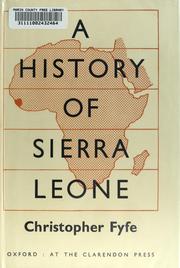
A history of Sierra Leone
Essential background for the country's unusual historical traditions.
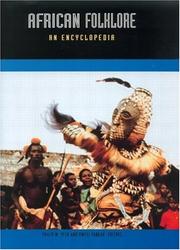
The World of Spirits and Ancestors in Africa
Explains spiritual beliefs behind many Sierra Leone stories.
eBay marketplace picks
Marketplace Samples
Live-tested eBay searches with available results related to this page.

Endnotes
1.
Source: sierraleoneheritage.org
Title: Sierra Leone Heritage Nomoli
Link:https://sierraleoneheritage.org/item/SLNM.1962.35.117/nomoli
2.
Source: reuters.com
Title: Storm fells Sierra Leone’s historic cotton tree, a symbol of freedom | Reuters
Link:https://www.reuters.com/world/africa/sierra-leone-loses-historic-tree-symbol-freedom-rainstorm-2023-05-25/
3.
Source: fowler.ucla.edu
Link:https://fowler.ucla.edu/exhibitions/mami-wata-arts-for-water-spirits-in-africa-and-its-diasporas/
4.
Source: pmc.ncbi.nlm.nih.gov
Link:https://pmc.ncbi.nlm.nih.gov/articles/PMC8035751/
5.
Source: archive.ids.ac.uk
Title: IDS Archive
Link:https://archive.ids.ac.uk/erap/wp-content/uploads/2015/10/Contextualising-Ebola-rumours-from-a-political.pdf
6.
Source: tacugama.com
Title: Chimpanzee Sanctuary Our History – Tacugama Chimpanzee Sanctuary
Link:https://www.tacugama.com/our-history/
7.
Source: forums.forteana.org
Link:https://forums.forteana.org/index.php?threads%2Fstrange-deaths.10395%2Fpage-147=
8.
Source: forums.forteana.org
Link:https://forums.forteana.org/index.php?threads%2Febola.15580%2Fpage-8=
9.
Source: forums.forteana.org
Link:https://forums.forteana.org/index.php?threads%2Fa-controlled-natural-disaster-is-better-than-a-false-flag.57694%2F=
10.
Source: forums.forteana.org
Link:https://forums.forteana.org/index.php?threads%2Fmuti-murder.2064%2Fpage-3=
11.
Source: tacugama.com
Link:https://www.tacugama.com/
12.
Source: sierraleoneheritage.org
Link:https://www.sierraleoneheritage.org/item/SLNM.1966.34.20/nomoli
13.
Source: sierraleoneheritage.org
Link:https://sierraleoneheritage.org/v12.6/glossary/word.php?id=devil
14.
Source: time.com
Title: the heart of darkness
Link:https://time.com/archive/6734444/the-heart-of-darkness/
15.
Source: archive.org
Title: mma seated figure nomoli 312191
Link:https://archive.org/details/mma_seated_figure_nomoli_312191
16.
Source: iris.who.int
Link:https://iris.who.int/bitstreams/cff4120a-b231-4e8f-be01-57053778b957/download
17.
Source: metmuseum.org
Title: The Metropolitan Museum of Art Nomoli and Pomdo Stone Figures of Upper Guinea
Link:https://www.metmuseum.org/essays/nomoli-pomdo-stone-figures
18.
Source: britishmuseum.org
Title: British Museumhelmet mask | British Museum
Link:https://www.britishmuseum.org/collection/object/E_Af1886-1126-1-a-b
19.
Source: culanth.org
Link:https://www.culanth.org/fieldsights/articulating-the-invisible-ebola-beyond-witchcraft-in-sierra-leone
20.
Source: britishmuseum.org
Title: British Museumnomoli figure | British Museum
Link:https://www.britishmuseum.org/collection/object/E_Af1904
21.
Source: visitsierraleone.org
Link:https://www.visitsierraleone.org/the-cotton-tree/
22.
Source: metmuseum.org
Title: Temne or Bullom artist(s)
Link:https://www.metmuseum.org/art/collection/search/310813
23.
Source: Wikipedia
Link:https://en.wikipedia.org/wiki/Poro
24.
Source: Wikipedia
Title: Mami Wata
Link:https://en.wikipedia.org/wiki/Mami_Wata
25.
Source: Wikipedia
Title: Cotton Tree
Link:https://de.wikipedia.org/wiki/Cotton_Tree
26.
Source: pmc.ncbi.nlm.nih.gov
Link:https://pmc.ncbi.nlm.nih.gov/articles/PMC9027331/
27.
Source: pmc.ncbi.nlm.nih.gov
Link:https://pmc.ncbi.nlm.nih.gov/articles/PMC4709130/
28.
Source: adventure.com
Title: tacugama chimpanzee sanctuary sierra leone
Link:https://adventure.com/tacugama-chimpanzee-sanctuary-sierra-leone/
29.
Source: hellosierraleone.com
Link:https://hellosierraleone.com/tacugama-chimpanzee-sanctuary/
30.
Source: abc.net.au
Link:https://www.abc.net.au/pacific/programs/pacificbeat/ufo/106721442
31.
Source: bigworldsmallpockets.com
Title: tacugama chimpanzee sanctuary
Link:https://www.bigworldsmallpockets.com/tacugama-chimpanzee-sanctuary/
32.
Source: re-entanglements.net
Link:https://re-entanglements.net/tag/poro/
33.
Source: visitsierraleone.org
Link:https://www.visitsierraleone.org/tour/tacugama-chimpanzee-sanctuary/
34.
Source: britannica11.org
Title: Sierra Leone
Link:https://britannica11.org/article/25-0069-sierra-leone/sierra_leone
35.
Source: mamiwataproject.org
Title: sierra leone
Link:https://mamiwataproject.org/tag/sierra-leone/
36.
Source: murderiseverywhere.blogspot.com
Title: Mami Wata
Link:https://murderiseverywhere.blogspot.com/2020/04/mami-wata-water-spirit.html
37.
Source: assets.publishing.service.gov.uk
Title: publishing.service.gov.uk Helpdesk Report: Ebola
Link:https://assets.publishing.service.gov.uk/media/57a08997ed915d622c0002c5/ebola-helpdesk-FOR-WEB1.pdf
38.
Source: tripadvisor.com
Title: Tacugama Chimpanzee Sanctuary
Link:https://www.tripadvisor.com/Attraction_Review-g293833-d1507611-Reviews-Tacugama_Chimpanzee_Sanctuary-Freetown_Western_Area.html
39.
Source: encyclopaediaafricana.com
Link:https://encyclopaediaafricana.com/sierra-leone/
40.
Source: encircleafrica.org
Title: the cotton tree
Link:https://encircleafrica.org/blog/the-cotton-tree/
41.
Source: tourism.gov.sl
Title: nomoli returns home sierra leone reclaims a sacred piece of its heritage
Link:https://tourism.gov.sl/nomoli-returns-home-sierra-leone-reclaims-a-sacred-piece-of-its-heritage/
42.
Source: tourism.gov.sl
Title: tourism minister launches national animal week
Link:https://tourism.gov.sl/tourism-minister-launches-national-animal-week/
43.
Source: ntb.gov.sl
Link:https://ntb.gov.sl/north-west-region/
44.
Source: anticorruption.gov.sl
Title: Newspapers Analysis
Link:https://www.anticorruption.gov.sl/slides/slide/newspapers-analysis-10-october
45.
Source: globalsecurity.org
Title: Sierra Leone
Link:https://www.globalsecurity.org/military/world/africa/sl-religion.htm
Additional References
46.
Source: x.com
Link:https://x.com/Templesmith/status/1779168253497229724
47.
Source: researchgate.net
Link:https://www.researchgate.net/publication/349483110_Child_Witchcraft_Confession_Parental_Reaction_And_Implication_For_Social_Work_Practice
48.
Source: researchgate.net
Link:https://www.researchgate.net/publication/346876284_Child_Witchcraft_Confessions_as_an_Idiom_of_Distress_in_Sierra_Leone_Results_of_a_Rapid_Qualitative_Inquiry_and_Recommendations_for_Mental_Health_Interventions
49.
Source: researchgate.net
Link:https://www.researchgate.net/publication/349049148_Child_witchcraft_confessions_as_an_idiom_of_distress_in_Sierra_Leone_results_of_a_rapid_qualitative_inquiry_and_recommendations_for_mental_health_interventions
50.
Source: facebook.com
Link:https://www.facebook.com/Hamza4SL/posts/3-hours-ago-something-just-fell-from-the-skies-in-sierra-leone-landing-in-lungi-/1237038778060541/
51.
Source: facebook.com
Link:https://www.facebook.com/Hamza4SL/videos/meteor-shower/1436237240882716/
52.
Source: researchgate.net
Link:https://www.researchgate.net/publication/303959874_FISHERIES_IN_THE_DRYLANDS_OF_SUB-SAHARAN_AFRICA_FISH_COME_WITH_THE_RAINS_Building_resilience_for_fisheries-dependent_livelihoods_to_enhance_food_security_and_nutrition_in_the_drylands
53.
Source: researchgate.net
Link:https://www.researchgate.net/publication/350779450_Child_witchcraft_confessions_as_an_idiom_of_distress_in_Sierra_Leone_results_of_a_rapid_qualitative_inquiry_and_recommendations_for_mental_health_interventions
54.
Source: researchgate.net
Link:https://www.researchgate.net/publication/407712271_Perceptions_of_Child_Witchcraft_and_Deliverance_among_Pentecostal_Pastors_in_Nigeria_and_the_Diaspora
55.
Source: commonplace.online
Link:https://commonplace.online/article/the-haunted-castle/
Topic Tree
Follow this branch
Related pages 192
- Afghan Forteana
- Antigua Uncanny
- Bosnian Mysteries
- Botswana Weird
- Brazil Strange
- +187 more in sidebar